How Data-Driven Decision-Making Can Help Your Business Grow in 2026
13/12/2023


Making good business decisions has always involved a mixture of experience, judgement and knowing your numbers. What's changed is how much information businesses now have available, and how easily they can use it.
Most business owners already collect more data than they realise. Sales figures, customer enquiries, website visits, stock levels, employee productivity and financial performance all tell you something about how your business is doing.
The challenge isn't necessarily collecting more information. It's knowing which figures matter, what they're telling you and, most importantly, what to do about them.
In 2026, affordable reporting software, cloud-based systems and artificial intelligence (AI) are making this easier for businesses of all sizes. You no longer need a dedicated data analyst or an expensive technology project to start making better use of the information you already have.
And the benefits go beyond improving day-to-day performance. A business with reliable financial information, a clear understanding of its customers and well-documented processes can also be easier for a prospective buyer to understand.
Put simply, data-driven decision-making means using reliable information to help you decide what to do next, rather than relying entirely on assumptions or instinct.
That doesn't mean experience becomes less important. An owner who has spent twenty years building a business will understand things that a spreadsheet cannot capture.
The real value comes from combining that experience with evidence.
For example, a retailer might believe its busiest days are also its most profitable. Looking more closely at sales, staffing costs and average transaction values could reveal a different picture.
A manufacturing business might have a healthy order book but discover that certain products generate relatively little profit once labour, materials and delivery costs are properly accounted for.
And a service business might find that its most valuable customers aren't necessarily those spending the most, but those who return regularly, pay promptly and require less time to manage.
None of these insights requires particularly sophisticated technology. They start with asking the right questions.
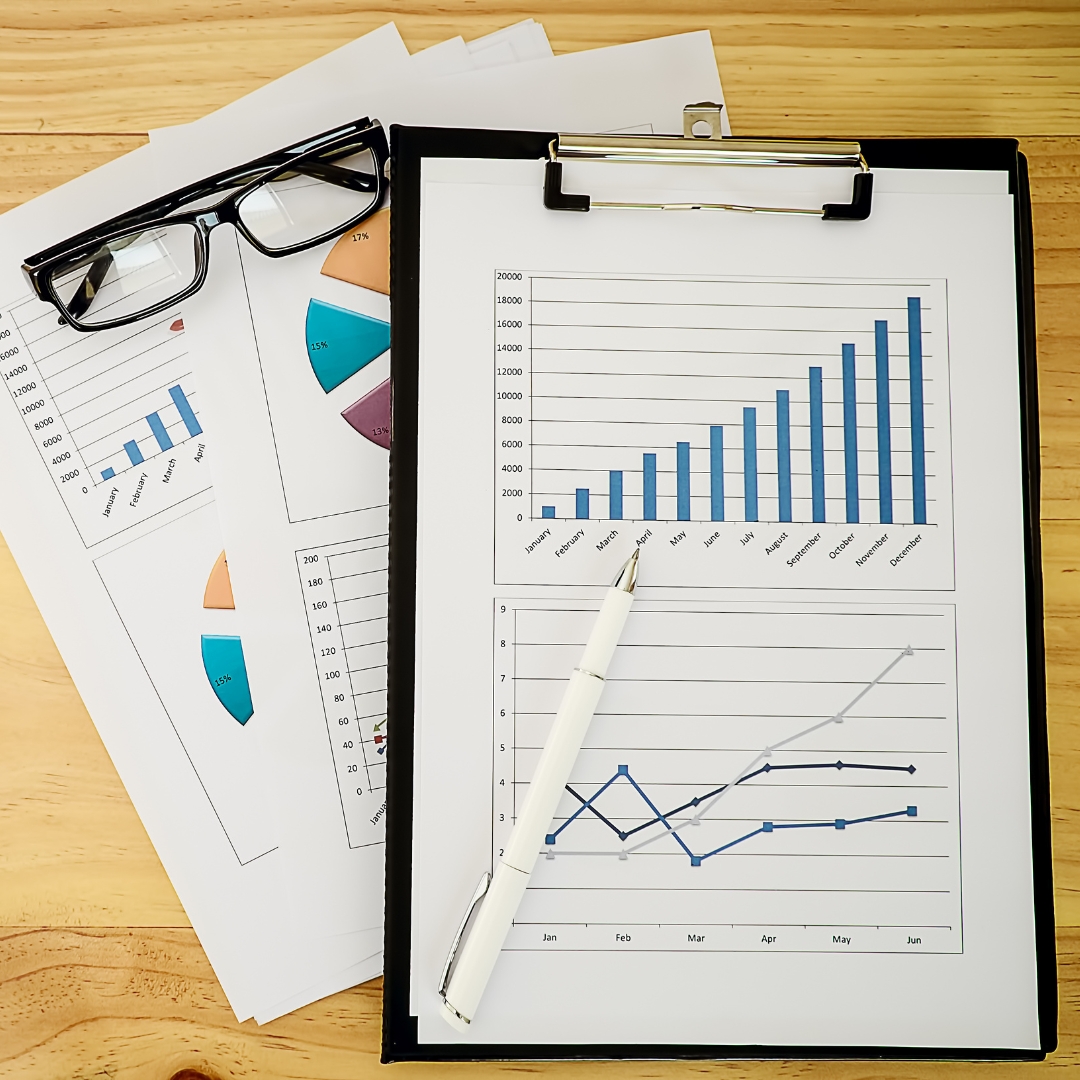
Turnover is important, but it doesn't tell you everything about the financial health of a business.
Looking at profitability by product, service, customer or location can reveal where you're making money and where resources are being stretched without sufficient return.
You might discover that a relatively small part of your business generates a significant proportion of its profit. Equally, some activities may be taking up time and money without contributing very much.
Understanding the difference can help you make better decisions about pricing, staffing, investment and which areas deserve more attention.
Most businesses have some information about where their customers come from, but not all use it effectively.
Website analytics, customer relationship management (CRM) systems, enquiry records and sales data can help establish which marketing activities actually lead to business.
The important distinction is between generating attention and generating profitable customers.
A campaign might produce hundreds of enquiries but very few sales. Another might attract fewer people but a much higher proportion of serious buyers.
By tracking enquiries through to completed sales, you can make more informed decisions about where to spend your marketing budget.
Data can also highlight where time and money are being lost.
For a hospitality business, that might mean understanding quieter trading periods, food waste or staffing patterns.
For a manufacturing business, it could involve monitoring downtime, production delays or material costs.
For a professional services firm, it might mean comparing the time spent delivering different services with the revenue they generate.
The aim isn't to measure everything or create unnecessary reporting. It's to identify the areas where relatively small changes could make a meaningful difference.
Customer information can tell you much more than how much somebody spends.
Purchase frequency, repeat business, complaints, customer feedback and changing buying habits can all help you understand what people value.
For example, you may find that customers are increasingly choosing a particular service, or that demand for an established product is gradually declining.
Recognising these changes early gives you more time to respond.
It can also help you avoid investing heavily in products or services that customers are beginning to move away from.
One of the most useful benefits of regular reporting is being able to spot changes before they become serious problems.
Falling gross margins, increasing debtor days, declining repeat orders or rising staff turnover can all be early warning signs.
Looking at these measures over time helps distinguish a temporary fluctuation from something that needs attention.
This doesn't remove business risk, but it can give owners more time to understand what's happening and decide how to respond.
Artificial intelligence has made analysing business information more accessible, but it hasn't removed the need for reliable data or good judgement.
Many accounting, CRM, stock-management and reporting systems now offer features that can help identify trends, summarise information, produce forecasts and highlight unusual results.
AI tools can also help business owners explore information using everyday language rather than having to build complicated reports.
For example, you might ask a suitable reporting system to compare sales performance across the last three years, identify products with declining margins or highlight seasonal changes in demand.
However, AI-generated conclusions are only as useful as the information behind them.
If your records are incomplete, inconsistent or out of date, the results may be misleading. AI can also make mistakes, so important financial or commercial conclusions should always be checked against the underlying figures.
There are confidentiality and data protection considerations too. Sensitive customer, employee or financial information shouldn't be uploaded to an AI tool without understanding how that information will be processed and protected.
For most smaller businesses, the sensible approach is to start with the systems they already use, explore the reporting features available and introduce additional tools only where there's a clear benefit.
There is another reason to take data and reporting seriously, particularly if you might consider selling your business in the next few years.
Prospective buyers want to understand what they're acquiring.
That means more than seeing a set of annual accounts. They may want to know where revenue comes from, how dependent the business is on particular customers, whether profits are sustainable and what opportunities exist for future growth.
A business with clear financial reporting, reliable management information and well-understood operating costs can make these questions easier to answer.
It also gives buyers more confidence in the information they're being shown.
For example, if you can demonstrate consistent repeat business, stable margins, predictable cash flow and a well-diversified customer base, you may be in a stronger position to explain the quality of the business's earnings.
That doesn't automatically mean a higher valuation. Buyers will still consider profitability, market conditions, risk, growth prospects and many other factors.
But having reliable information can make the business easier to assess, help support your asking price and reduce uncertainty during due diligence.
It's also useful long before a sale becomes a serious consideration.
Understanding what drives the value of your business gives you time to address weaknesses and make improvements while you're still in control of the timetable.
Data-driven decision-making doesn't need to involve complicated systems, expensive consultants or a complete change in how you run your business.
For many owners, it begins with making better use of the information they already have.
The businesses that benefit most won't necessarily be those collecting the greatest amount of data. They'll be those that understand which information matters and use it to make sensible, timely decisions.
Your experience and judgement remain essential. Good information simply gives you a stronger basis for using them.
Get quick and easy insight into the real value of your business, without any obligations.
At Intelligent, all our experts use a specific formula that will give you a free and highly accurate baseline valuation so that you've got a figure to work with that most realistically resembles the value of your business.